
Cardboard box production: a view from the inside
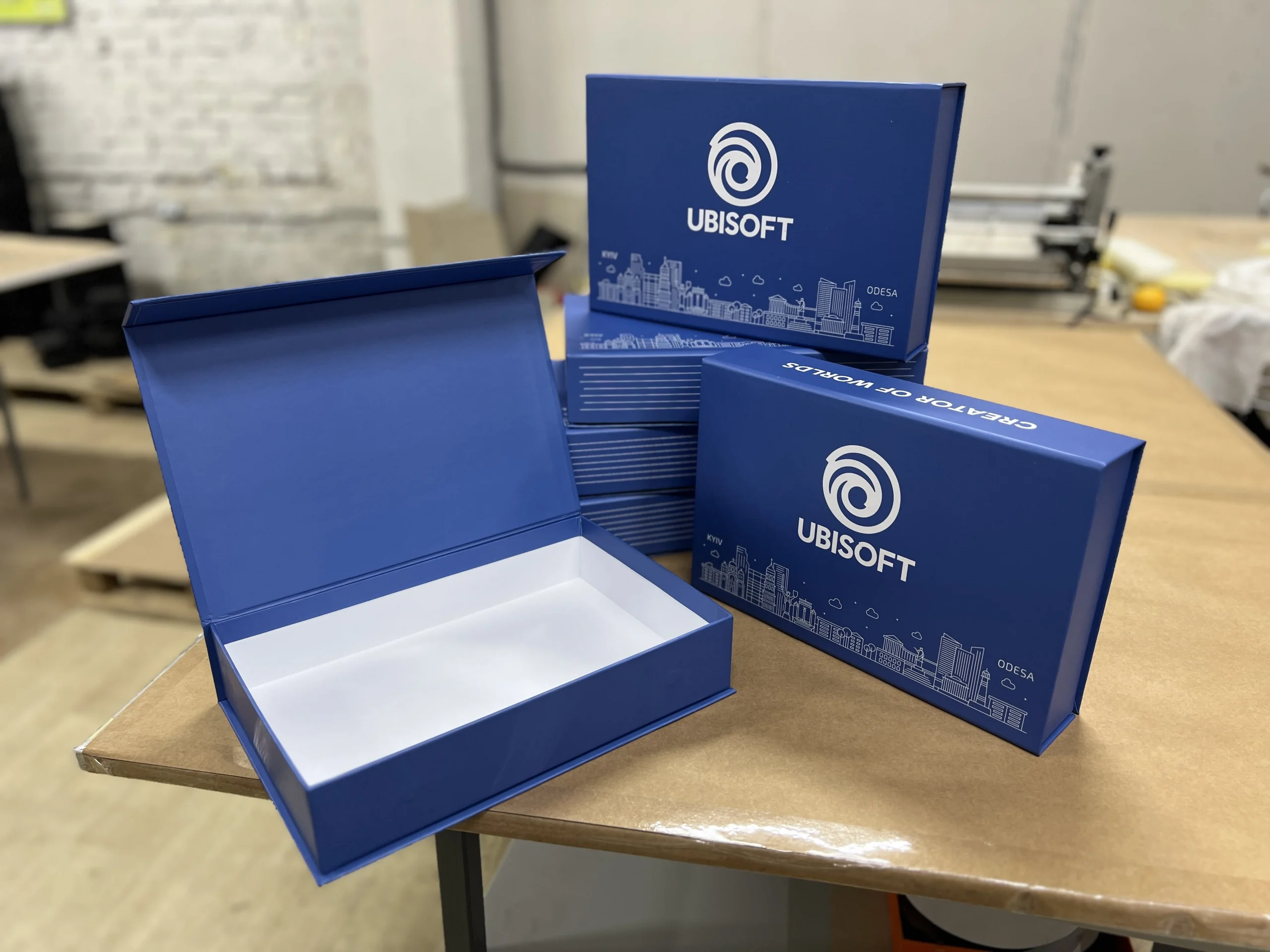
Boxes are an integral part of our daily lives. This simple yet important invention is used in many fields, from packaging goods to organising warehouses. In fact, we use various types of boxes every day without even noticing.
In this article, we look at the differences between materials, how print shops make custom cardboard boxes, and how boxes are used in business and at home.
Raw materials
The basic and most popular material is cardboard, whose physical characteristics vary to suit a particular application.
For example, corrugated board is relatively strong and damage-resistant thanks to its structure, which is especially important when shipping fragile goods. It is also extremely economical, especially for businesses.
For all its advantages, it has just as many drawbacks: it is not resistant to water or to part of the UV spectrum. Unlike more expensive greyboard (binder’s board), corrugated board looks as cheap as it is. It also has a lower density.
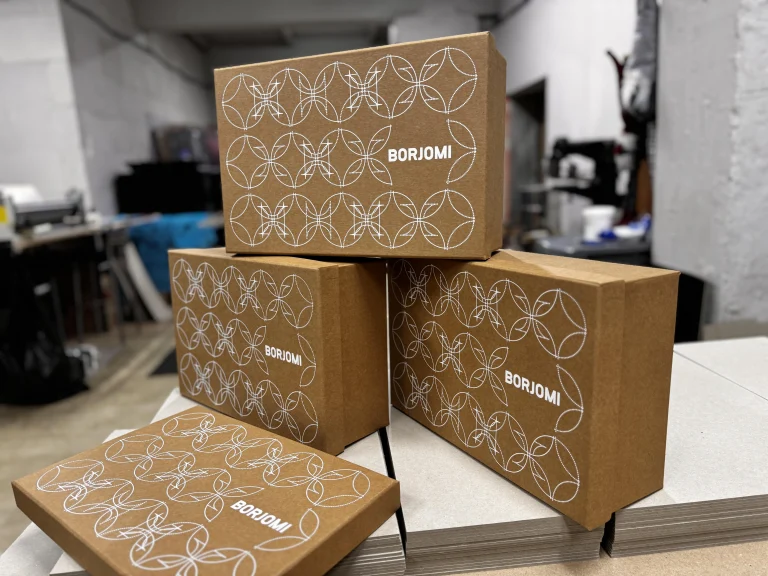
When choosing a material, it is important to consider its physical properties and how it can be processed. Greyboard and coated board are better suited for full-colour printing and branding, while kraft works for simple prints and logos.
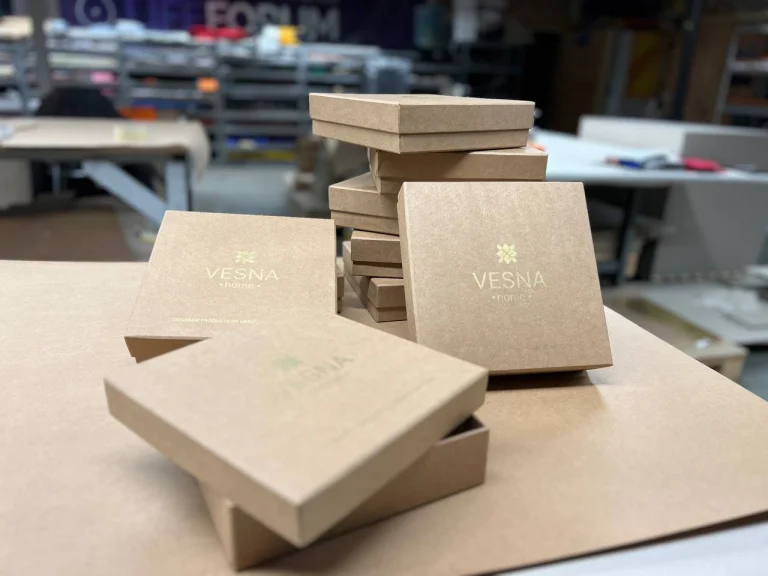
Kraft, which means “strength” in German, is made from long-fibre softwood such as pine, spruce and larch. The naturally high tensile strength of these fibres makes kraft paper resistant to tearing and damage. Its colour ranges from dark brown to yellowish, depending on the wood used.
For example, pine, spruce and silver birch give kraft paper a deep, dark colour, while other types of wood give it a more yellowish tint.
Micro-flute board is a special type of corrugated board that is incredibly light and thin. It is made through complex processing that forms microscopic “waves” inside, giving it a unique texture. It is strong and resistant to mechanical stress, which is why it is often used for product packaging where lightness and reliability both matter.
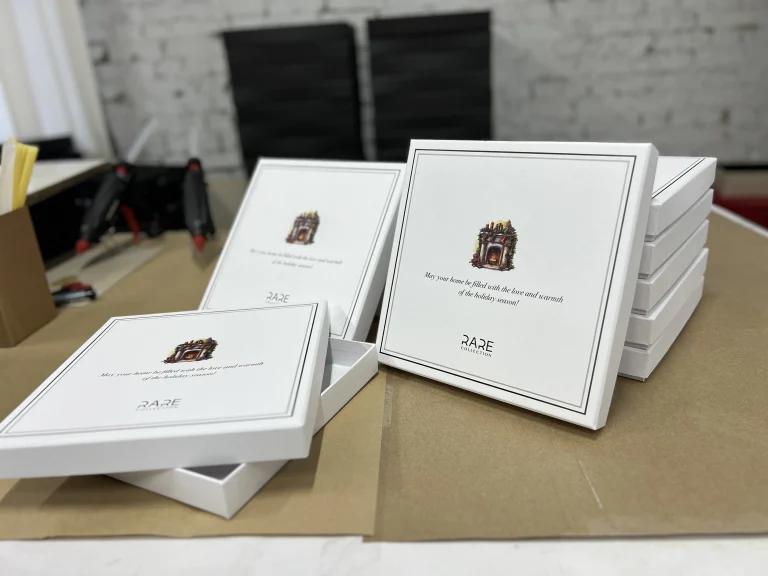
Laminated board looks more attractive and is often used for gift or product boxes. It is also thinner and lighter than greyboard.
Solid Bleached Sulphate (SBS) is a premium white board, clay-coated on both sides for crisp, bright, glossy print quality. Its high performance comes from the hardwood fibres used in its production. The inner layers of SBS are made from softwood or a mix of softwood and hardwood fibres. Its many benefits make SBS board the most expensive option.
Recycled board is a whole “family” of materials made from recovered fibre. As a rule, they offer a good balance of price and quality.
Each of these materials can be made from different raw materials, in different thicknesses and with different textures and colours.
Making cardboard boxes is a real art
Despite its visual simplicity, the design must always stay functional and user-friendly, taking into account the size and shape of the contents and how the box will be used. Boxes for electronics and, say, cakes have far more differences than similarities.
The packaging industry widely uses “standard” shapes and sizes defined in the international FEFCO code. This saves a lot of time when describing a design and its specifications. The system covers more than a hundred standard styles, with a variety of shapes, sizes, designs and technologies.
Once you have settled on the requirements, purpose and materials, you can move on to design. Modern technology and equipment let you visualise the finished product before production starts and adjust the design as needed.
Automated printing, die cutting and sometimes assembly allow us to deliver the same print quality regardless of batch size.
For mass production, ordering cardboard boxes in bulk is the most cost-effective option. Ordering larger quantities lowers the unit cost. This is especially true for businesses that need a constant supply of packaging.
A print shop that makes custom boxes gives every client high-quality printing that fully meets their needs. This matters for both business and personal use.
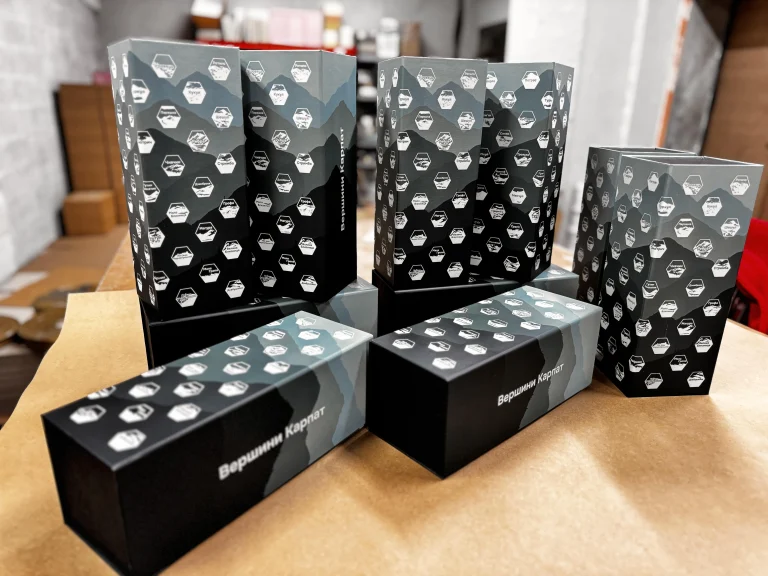
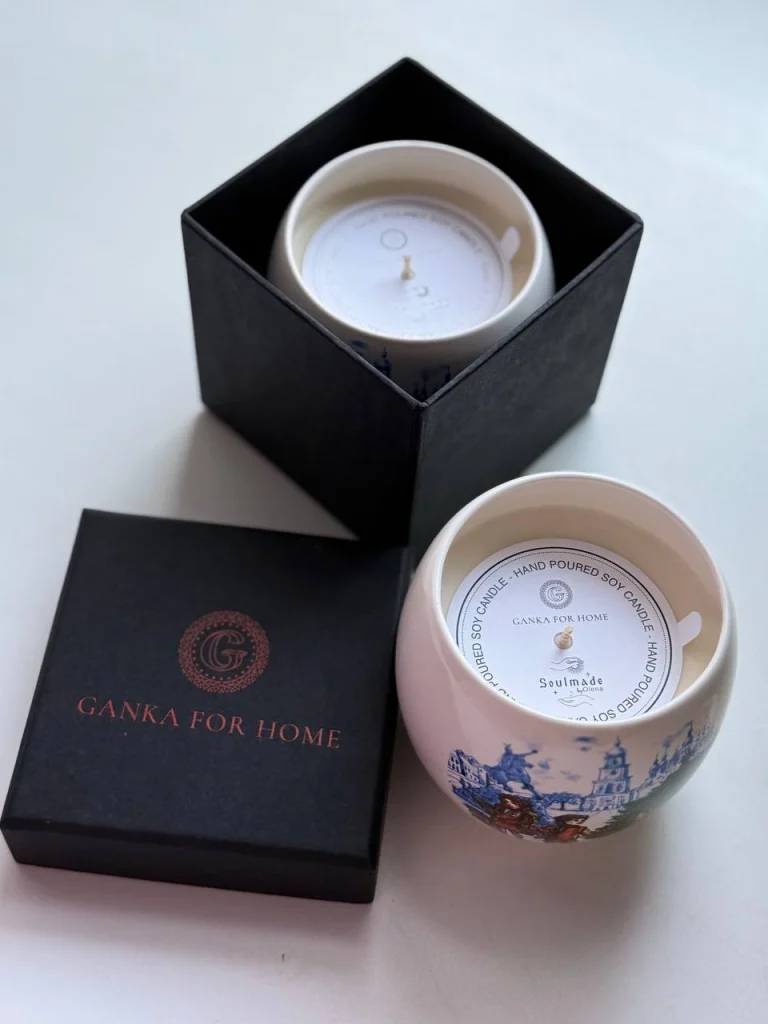
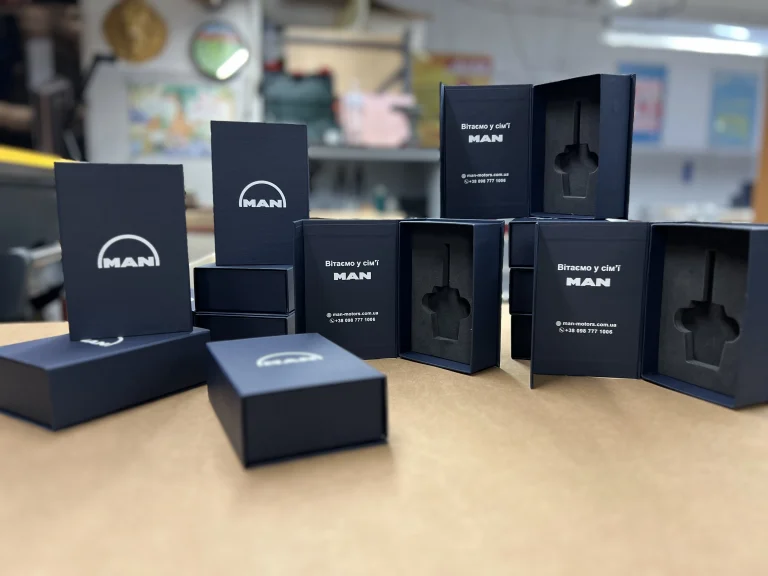
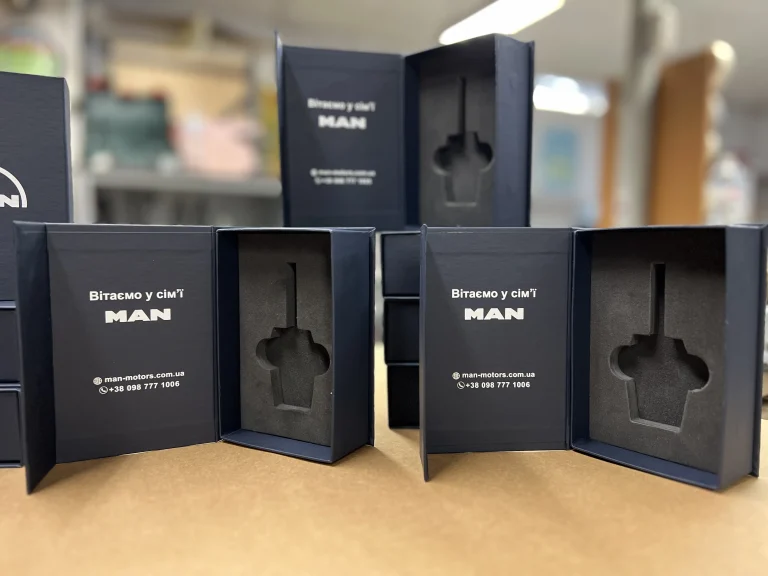
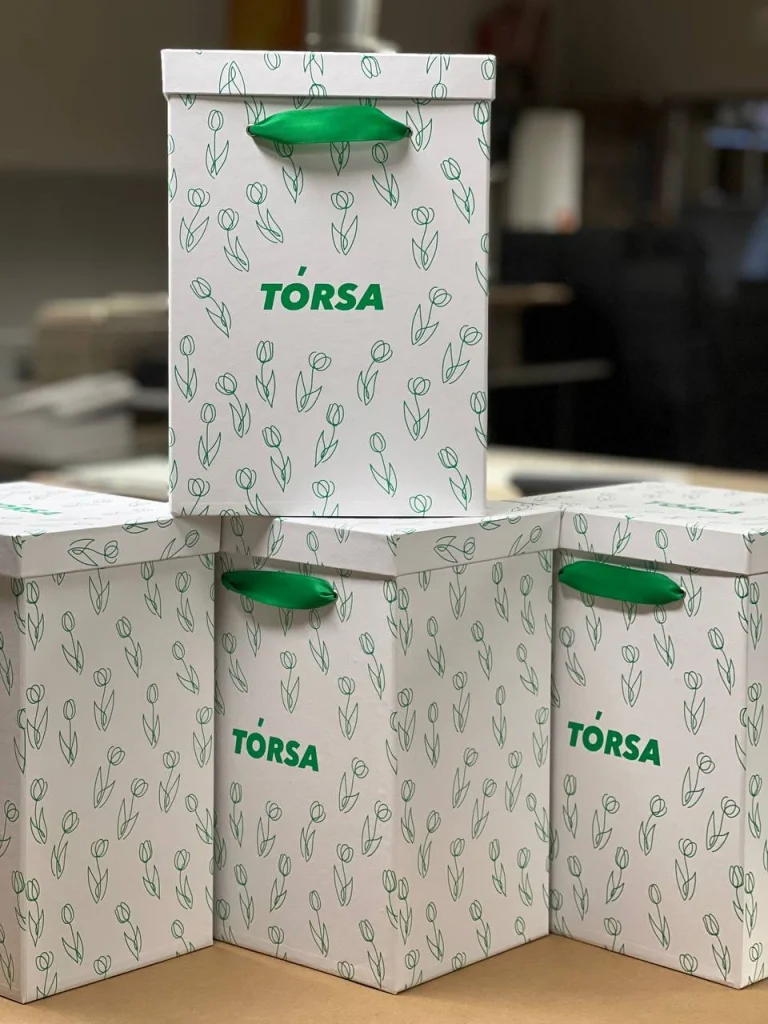
Custom production lets you create unique packaging with your company logo or your own design, which helps promote products and increase their market recognition.
Application
In retail, packaging plays a significant role and does several jobs at once.
First, it protects the contents and makes transport easy. Products packed in high-quality cardboard boxes attract buyers’ attention. Boxes often carry basic information about the product and its manufacturer, certification marks and so on. Their flexible specifications make them an indispensable part of business.
The versatility of boxes has spread them into every area of life: from packaging food and shoes to gifts for loved ones and even storage at home, in the office or in a warehouse.
Cardboard packaging can be reused, and plain cardboard can be recycled with paper.
How to choose a manufacturer
When choosing a manufacturer, consider the following factors:
- Price. Compare prices from different manufacturers and choose the best value for money.
- Equipment. Make sure the manufacturer has modern machinery and can offer the printing options you need.
- Custom sizes. Not all manufacturers can make boxes in non-standard sizes.
- Lead times. Depending on order volume and workload, production can take some time.
If you are looking for a reliable partner, contact professionals. Don’t miss the chance to make your products stand out with our quality cardboard boxes.
Published: 28.01.2025
Share: